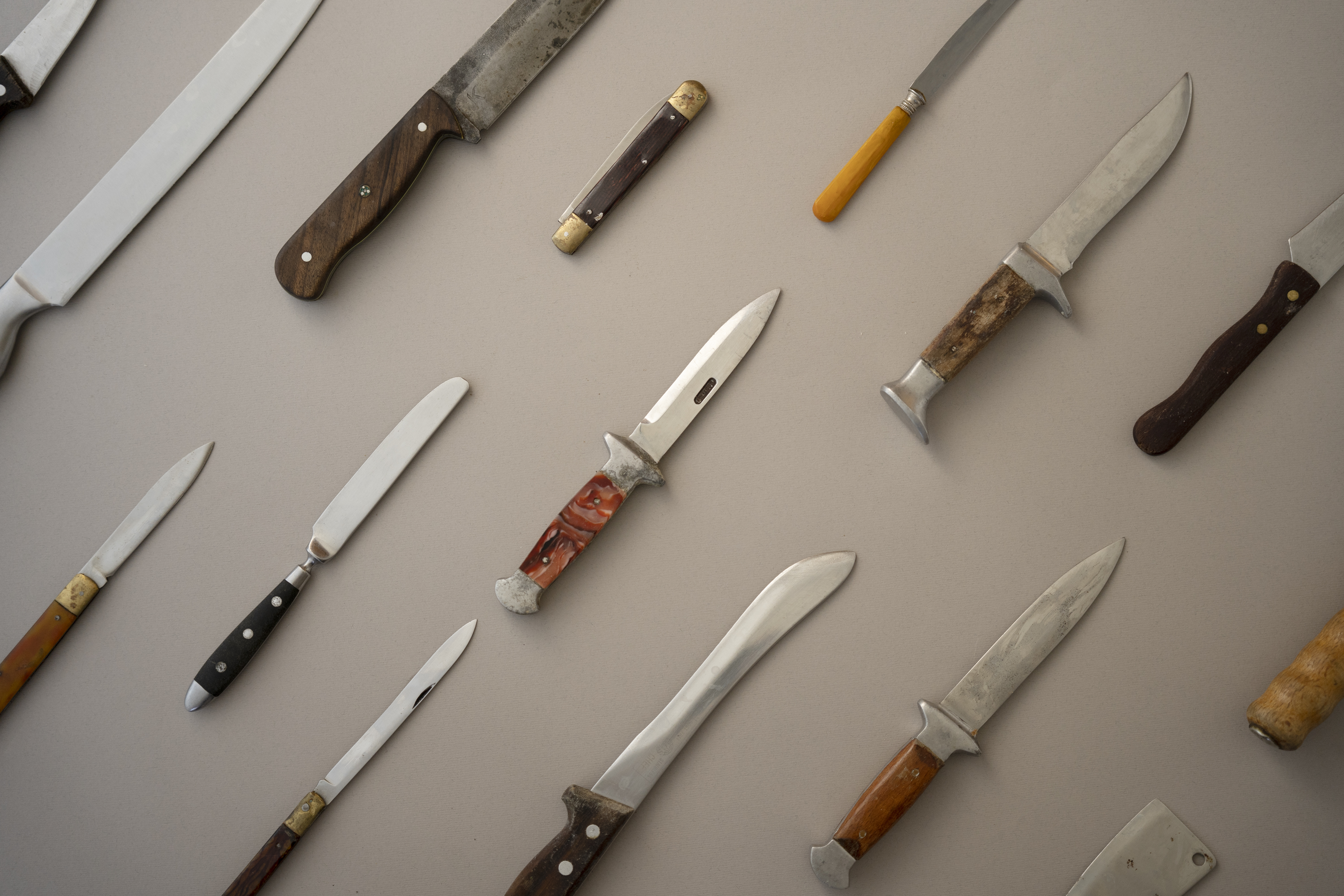
There’s a moment in every serious hobby when the casual version stops being enough. In the knife world, that moment often looks like this: you pick up a blade that feels dialed in, you notice the details, and suddenly your “one good knife” turns into a rotation. It starts with function, then craft gets involved. Before long, you’re paying attention to makers, steels, lockups, finishes, and the small design choices that separate a tool from a piece you want to keep.
Knife collecting has also shifted into a more visible corner of culture. It shows up in everyday carry photos, in outdoor communities, and in the way people talk about gear with the same pride usually reserved for sneakers or watches. The difference is that knives have to perform. You can admire them, but you also end up using them, and that mix of utility and design drives a particular kind of loyalty.
That’s where EKnives has become a recurring name for collectors who want consistency. Not the loudest option, not the flashiest pitch. The steady one. The shop that feels familiar when you’ve been burned by slow shipping, vague listings, or a package that shows up looking like it survived a cage match.
The New Collecting Culture: Performance, Provenance, and Personality
Collectors talk about “taste” the way music heads do. Some people chase rare drops, others build a practical lineup that covers every situation, and plenty do both. You might want a compact folder that disappears in the pocket during the week, and a larger blade that feels comfortable for outdoor work on weekends. You also want a buying experience that respects the difference between a casual purchase and an informed decision.
Online shopping raised the stakes. It’s convenient, but it also invites mistakes. You can’t feel the action through a screen. You can’t test the ergonomics. You’re relying on photos, descriptions, and the dealer’s reputation. That makes trust a form of currency, and collectors spend it carefully.
EKnives has built a following by leaning into that reality. The shop’s audience tends to be the kind of buyer who reads specs, compares models, and remembers how a retailer handled the last order. If a package arrives fast, protected, and exactly as described, you remember. If it arrives late, loose, or questionable, you remember that too, and you move on.
Why Certain Brands Become the Backbone of a Collection
In most collections, a few names keep showing up. Microtech and Benchmade have both become common reference points, even among people who own far more than those two brands. They represent different lanes, but they share a reputation for consistency and engineering. One leans into tactical precision and modern deployment styles. The other has become a go-to for everyday carry designs that feel purposeful and refined.
That brand gravity also drives the buying patterns around authorized dealers. When a model is popular, the market gets noisy. Listings pop up everywhere. Prices swing. You see limited runs, special finishes, and collaborations that disappear quickly. That’s part of the thrill, but it also makes the dealer choice matter more than ever.
For collectors, the appeal is rarely about one feature. It’s the whole package: the feel in hand, the track record, the way a knife fits a personal style. When people keep circling back to certain brands, they’re often chasing a specific kind of reliability. They want something that holds up to real use and still feels sharp in identity.
The Appeal of OTF Culture and Why It Keeps Pulling People In
OTF knives sit at an interesting intersection of engineering and attitude. They’re functional tools, but they also carry a strong visual signature. You recognize the form. You recognize the sound. The collector appeal often starts with the mechanism and ends with the variations: blade shapes, finishes, hardware choices, and limited releases that feel like a personal stamp.
The online market reflects that obsession. Searches for custom OTF knives for sale aren’t coming from people who want a basic tool and nothing else. They come from buyers who know what they want, who have a mental list of models, and who pay attention to details. They also come from buyers who don’t want surprises when the box arrives.
That’s one reason EKnives shows up in collector conversations. The shop’s role is less “introducing knives to people” and more “helping experienced buyers get what they’re actually looking for.” That distinction matters. It changes the expectations around listings, condition notes, and how quickly a dealer moves when something sells.
“Collectors know the difference between a knife that photographs well and a knife that performs well,” said Clay Ensminger, owner of EKnives. “Our job is to respect that difference and ship what we describe.”
Celebrity Carry and the Way It Shapes Buying Habits
Pop culture has always influenced what people want to own, and knives are no exception. When a well-known artist is spotted carrying a specific style, it creates a ripple. People start looking closer at pocket clips in photos. They search for blade shapes. They ask communities for IDs. It’s the same energy as sneaker spotting, except the objects in question can open a box, cut cord, and ride in a pocket every day.
Post Malone’s interest in knives has been discussed publicly in various collector spaces, and fans have speculated about what he carries when he’s photographed with an OTF-style knife. There’s also chatter in enthusiast circles that he has shopped from well-known online retailers.
EKnives does not publicly confirm customer identities, and that’s a sensible boundary. The more important point is what the speculation reveals: knives have become part of the modern gear conversation in a way that blends utility with personal style.
When celebrity attention hits the category, it can pull new buyers into the space. Those buyers often learn quickly that the dealer matters as much as the brand. A first purchase sets the tone. If it goes smoothly, they keep exploring. If it goes sideways, they step back.
What “Trust” Looks Like in an Online Knife Shop
In a world of endless tabs and competing listings, trust shows up in unglamorous ways. It shows up in clear descriptions. It shows up in shipping speed and packaging choices. It shows up in a return process that doesn’t feel like a trap. For collectors, it also shows up in access, because availability is part of the game.
One reason people talk about EKnives as a “hub” is that it functions like a steady point in a fast-moving market. The site’s selection includes brands that collectors already track, plus items that support the whole lifestyle of carrying and maintaining gear. The overlap matters. People don’t only buy a blade. They buy the setup around it, the stuff that makes carry comfortable and upkeep simple.
That ecosystem is where you see the phrases Benchmade gear and Microtech gear used in the same breath. A buyer who carries daily might want a folder for general tasks and a more tactical tool for specific situations. They might also want accessories that fit their routine, whether that’s a pocket clip preference, a maintenance kit, or a storage solution that keeps a collection organized.
The Practical Side: Why Repeat Buyers Keep Returning
Collectors return when the buying experience matches the standards of the products. That sounds obvious, but it’s rare enough to matter. Online knife buying comes with recurring pain points: sellers who list items they don’t have, shipping delays, vague condition notes, and packaging that leaves damage as a possibility. Those issues are avoidable, but they require discipline.
Repeat buyers also return when a retailer feels like it understands the pace of the hobby. Drops happen quickly. Limited runs disappear. People want accurate updates and clean follow-through. They want the confidence that when they click “buy,” the rest of the process stays calm.
If you’re scanning listings for Microtech knives for sale, you’re likely comparing more than price. You’re comparing reliability. You’re thinking about authenticity and how the knife will arrive. You’re thinking about whether the dealer will communicate clearly if something changes. That’s the real competition in this space, and it explains why certain shops become part of collectors’ routines.
Where the Culture Is Heading
Knife collecting continues to grow in a direction that looks a lot like other enthusiast worlds: more education, more community, more appreciation for design, and more attention to the buying experience. The hobby rewards curiosity. It also rewards patience and good judgment, because every purchase teaches you what you value.
EKnives sits in that current as a retailer that collectors keep referencing when they talk about consistency and access. The story is not about hype. It’s about the slow-building kind of reputation that comes from handling the details the right way, over and over.
In a space where a single purchase can turn into a long-term interest, that kind of steadiness becomes the difference between a one-time buyer and someone who keeps building their edge.

